Intel Arc B580: A New Contender in the Mid-Range GPU Arena
The graphics card market is more exciting than ever, and Intel's Arc series has firmly planted its flag with the B580 as a compelling mid-range option. This GPU aims to deliver excellent 1440p gaming performance and robust content creation capabilities without breaking the bank. If you're building a new PC or looking for an upgrade, understanding the different B580 models available is crucial. From the feature-packed ASRock variants to the unique cooling solutions from Sparkle, there's a B580 for every type of user.
ASRock's B580 Powerhouses: Challenger vs. Steel Legend
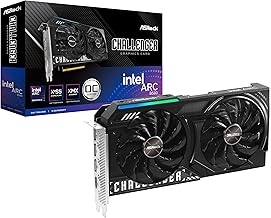
ASRock offers two distinct takes on the 12GB GDDR6 GPU formula. The ASRock Intel Arc B580 Challenger 12GB OC is the value-oriented workhorse. It features a 2740 MHz GPU clock and a reliable dual fan cooling system that includes a 0dB silent operation mode. This means the fans stop entirely during light workloads, creating a perfectly silent computing environment. It's an excellent choice for users who prioritize a balance of performance and acoustics, making it a strong candidate for a budget graphics card that doesn't skimp on features like DisplayPort 2.1 and HDMI 2.1a.
Stepping up, the ASRock Intel Arc B580 Steel Legend 12GB OC is for enthusiasts who want a bit more. With a slightly higher 2800 MHz GPU clock and a triple-fan cooling array, this card is built for sustained performance during intense 1440p gaming sessions. The ASRock Steel Legend series is also known for its aesthetic appeal, featuring Polychrome SYNC RGB lighting that can be synchronized with other compatible components in your build. For a deeper dive into these models, check out our dedicated ASRock Intel Arc B580 Challenger Review and ASRock Intel Arc B580 Steel Legend Review.
Sparkle and WEELIAO: Alternative B580 Designs
Not to be outdone, Sparkle brings its engineering prowess to the table with the Sparkle Intel Arc B580 Titan OC. This card stands out with its "Torn Cooling 2.0" system, which utilizes a large axial fan design aimed at maximizing airflow and heat dissipation. It also features a stylish breathing light effect and a sturdy metal backplate for added rigidity and heat spreading. For those considering other tiers in the Arc lineup, Sparkle also offers the B570 Guardian OC with 10GB VRAM as a potential alternative, which we explore in our Sparkle Intel Arc B570 Guardian OC Review.
Another interesting player is WEELIAO with its GUNNIR Intel Arc B580 Index. This model offers a solid spec sheet with 12GB of GDDR6 VRAM on a 192-bit bus and a 2670 MHz clock speed. Its dual-fan design and explicit support for 4K output make it a versatile option for both gaming and media consumption. The variety of B580 models ensures that whether you value raw cooling performance, specific clock speeds, or particular aesthetic features, there's likely a card that fits your vision.
Optimizing Your B580: Cooling and Maintenance Tips
To get the most out of any high-performance gaming graphics card, proper thermal management is key. While the stock coolers on these B580 cards are capable, enthusiasts looking to push overclocks or maintain lower noise levels might consider supplemental cooling. High-quality case airflow is fundamental. A pack of reliable fans like the DARKROCK 3-Pack 120mm fans can significantly improve overall system thermals by ensuring a steady stream of cool air passes over your GPU and other components. For more on this, see our B580 GPU Cooling Guide focused on case fans.
Over time, you may also consider reapplying thermal paste to your GPU for optimal heat transfer from the die to the cooler. A premium compound like ARCTIC MX-4 offers very high thermal conductivity and long durability, making it a safe and effective choice for this delicate task. Proper GPU cooling maintenance can extend the life of your card and sustain its performance. We cover the specifics of this process in our B580 GPU Thermal Paste Application Guide.
B580 Alternatives and the Competitive Landscape
The B580 doesn't exist in a vacuum. Within Intel's own ecosystem, the ASRock Intel Arc B570 Challenger with 10GB GDDR6 presents a slightly more affordable option, often positioned as a sweet spot for high-framerate 1080p or entry-level 1440p gaming. You can read our full thoughts in the ASRock Intel Arc B570 Challenger Review. Even further down the stack, the 8GB Sparkle Intel Arc A580 ORC OC serves as a budget-friendly alternative, which we compared in our Sparkle Intel Arc A580 ORC OC Review.
Of course, the competition includes AMD and NVIDIA. A card like the ASUS Dual Radeon RX 7600 EVO OC with its 8GB of GDDR6 and Axial-tech fans is a direct competitor in the same price bracket. The choice often comes down to specific game performance, driver maturity, and feature sets like Intel's XeSS upscaling versus AMD's FSR.
Final Verdict: Who is the B580 For?
The Intel Arc B580 series represents a fantastic option for PC builders seeking strong 1440p performance and future-proofing with its 12GB VRAM buffer. It's particularly appealing for content creators who can leverage Intel's media engines for efficient video encoding. Whether you choose the silent operation of the ASRock Challenger, the robust cooling of the Steel Legend or Sparkle Titan, or the value proposition of the WEELIAO Index, you're getting a capable GDDR6 graphics card. For a comprehensive overview of the architecture and capabilities, our What is the B580? Complete Guide is an essential read. Ultimately, the B580 proves that the GPU market is healthier with three strong competitors, giving consumers more choice and better value than ever before.